info@americanfosterfutures.org
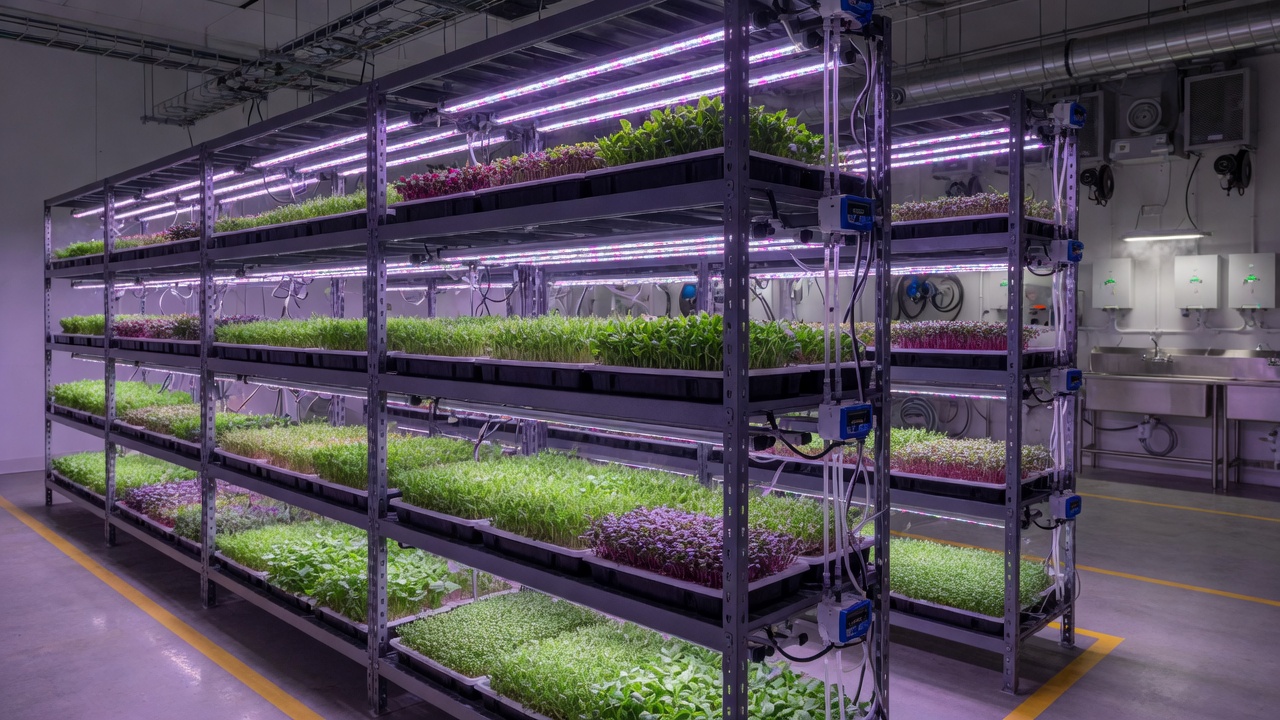
Modular indoor microgreen grow systems under LED lights at Foundation Farms in Dallas
Paid vocational training · Education · Human Services

Grow to Earn

Foundation Farms · Modular microgreens · Dallas, Texas

Paid vocational training for current and former foster youth: we teach them how to farm, hire them to grow, and sell the harvest to restaurants and other buyers across Dallas–Fort Worth. 100% of proceeds return to the nonprofit — wages, training, and the next cohort.

Grow to Earn is paid vocational training — a Dallas Education and Human Services program of American Foster Futures. Youth learn indoor farming on modular microgreen systems at Foundation Farms, then work paid production and delivery shifts. The farm is the classroom and the first job — a real product, real customers, and a paycheck.

Two program areas

Education and Human Services

Paid vocational training sits in both lanes: skills and credentials on one side, support for vulnerable Texas youth on the other.

Education

Paid vocational training

A 12-week paid vocational curriculum in crop science, food safety, production, and restaurant delivery. Completers earn a Texas Food Handler certificate, documented work hours, and a pathway into DFW food jobs or further training — vocational education that connects to real labor demand.

Human Services

A first employer for foster youth

Current and former foster youth ages 16–24 get paid vocational training, a first job, transportation help, and a workplace that will take the training risk. That is direct support for some of the most vulnerable young Texans — wages, stability, and a reason to stay housed and employed.

Dallas, TX

Training and production at Foundation Farms. Sales stay in DFW.

Ages 16–24

Current and former foster youth. Paid from week one. No farm experience required.

100%

Sales proceeds go back to AFF. No private owner takes a profit.

How it works

Teach. Hire. Sell. Reinvest.

Four steps, one loop. Grant dollars start the first jobs. Restaurant sales help pay the next ones.

1

Teach

Paid vocational training: a 12-week course in crop science, food safety, harvest, packing, and restaurant delivery. Youth earn a Texas Food Handler certificate.

2

Hire

Completers are hired as Foundation Farms associates — sowing, lighting, harvest, quality control, and DFW deliveries on a real production schedule.

3

Sell

We sell to restaurants, caterers, and other DFW buyers. Chefs get a consistent local product. Youth learn customer service, not just trays and lights.

4

Reinvest

Every dollar of proceeds returns to American Foster Futures — youth wages, instructor time, certificates, and the next Dallas cohort.

Why Dallas

A first job with a product people pay for

Young people leaving foster care in Texas are far less likely to hold steady work by their early twenties. Many have never had a first employer who will take the training risk. Grow to Earn is that employer.

  • Place-based. Foundation Farms is in Dallas. Production, hiring, and buyers are all in the DFW metroplex.
  • Wages, not stipends-only. Trainees are paid from week one. Associates are employees of the farm program.
  • A credential that travels. Texas Food Handler certification plus a production log, references, and a résumé with real hours.
  • A DFW labor market. Skills transfer to restaurants, commissaries, grocery produce, warehouses, and controlled-environment agriculture.
Harvest-ready microgreens grown on modular indoor racks
Already growing

Foundation Farms was established in Dallas in May 2026. The inaugural crop in June 2026 included red-veined sorrel, pea tendril, purple radish, Triton radish, cilantro, basil, and arugula.

Weeks 1–12

Paid vocational training

Twelve weeks, sixteen hours a week, paid. Completers who meet attendance and food-safety standards are offered a Farm Associate role.

Week 1

Farm as a workplace

Safety, clocks, hygiene, and what a restaurant kitchen expects from a grower.

Week 2

Seed to tray

Varieties we grow, seeding density, soak times, and a first tray of their own.

Week 3

The modular system

Racks, LEDs, airflow, watering, and how a small room becomes a farm.

Week 4

Crop science

Light, water, mold, and yield. Read a tray the way a chef reads a plate.

Week 5

Texas Food Handler

State food-safety certification required for anyone who packs food for restaurants.

Week 6

Harvest and cold chain

Cut, wash, dry, pack, label, and hold product at temperature until delivery.

Week 7

Quality and yield

Weigh, log, and reject. Chefs pay for consistency, not almost.

Week 8

The DFW buyer

How restaurants order, what a chef needs on a Thursday, and a first delivery ride-along.

Week 9

Costing the crop

Seed, labor, packaging, waste. Why 100% of proceeds can still fund the next trainee.

Week 10

Shift lead skills

Handoffs, checklists, talking to a coworker, and running a two-hour harvest window.

Week 11

Where the job can go

Restaurant line, produce, logistics, indoor farming, or a certificate program — with a résumé that has hours on it.

Week 12

Capstone production week

Run a full cycle: seed through chef delivery. Completers are offered associate roles.

After training

Paid Farm Associates

The job

Sowing, lighting, irrigation, harvest, packing, labeling, and restaurant delivery. Associates work a set weekly schedule so the farm can promise chefs a standing order.

The pay

Training pay starts at $20 an hour. Farm Associates start at $20 an hour. Hours are real work hours, reported, with a pay stub youth can use for housing and benefits.

The next step

After a production term, we help associates move into a DFW food employer, a certificate or college program, or a lead role on the farm. The point is a first job that leads somewhere.

DFW sales

Restaurants buy. Youth get the hours.

Microgreens are a standing garnish and salad crop for Dallas–Fort Worth kitchens. We grow to order on a short cycle, pack food-safe, and deliver on a restaurant schedule. Buyers are not donors. They are customers — which is the point of the job.

100% of proceeds return to American Foster Futures. There is no private owner. After the cost of seed, supplies, and delivery, sales pay youth wages, training, certificates, and the next Dallas cohort.

Year 1 Targets

These are the first-year Education and Human Services measures for this paid vocational training in Dallas: credentials and job placement on one side, wages and retention for foster youth on the other.

Measure Year 1 target
Youth enrolled (Dallas, current/former foster care, ages 16–24) 24 (two cohorts of 12)
Training completion 80%
Texas Food Handler certificates earned 100% of completers
Hired as Farm Associates or placed with a DFW food employer 70% of completers
Still working at 90 days 75% of those hired
Active DFW restaurant or wholesale accounts 8 standing buyers
Sales proceeds returned to the program 100%
Who it is for

Texas foster youth who need paid vocational training

Current and former foster youth ages 16–24 who can get to Dallas for shifts. Curiosity beats experience. We help with bus passes and shift times because transportation is often the reason a first job falls apart.